

Wedding Lighting Examples That Photograph Beautifully
The room can be beautifully decorated, the flowers can be flawless, and the dress can catch every eye - but lighting is what gives those details their feeling. The right wedding lighting examples do more than brighten a venue. They shape the mood guests experience, soften portraits, and preserve the energy of a celebration in photographs that still feel alive years later.
For couples planning a Florida wedding, lighting deserves the same thoughtful attention as florals, music, and tablescapes. From sunlit waterfront vows to a candlelit ballroom reception, each choice affects both the atmosphere in the room and the story your images will tell.
Wedding Lighting Examples for Every Part of the Day
A well-lit wedding does not mean every corner is equally bright. In fact, the most memorable spaces often have contrast: a softly illuminated dinner table, a dramatic dance floor, a quiet pocket of window light for portraits. The goal is intentional light that feels natural to your celebration.
Window light for getting-ready moments
Getting ready photos are often some of the most personal images of the day. A hotel suite or bridal room with one large window can create beautiful, directional light across a dress, invitation suite, bouquet, or quiet moment with a parent.
Whenever possible, choose a space with clean window light and enough room to move comfortably. Heavy overhead lighting can cast unflattering shadows and mix yellow tones with daylight. It does not need to be completely avoided, but turning off a few competing lamps near the window can make the scene feel calmer and more refined on camera.
Golden-hour ceremony light
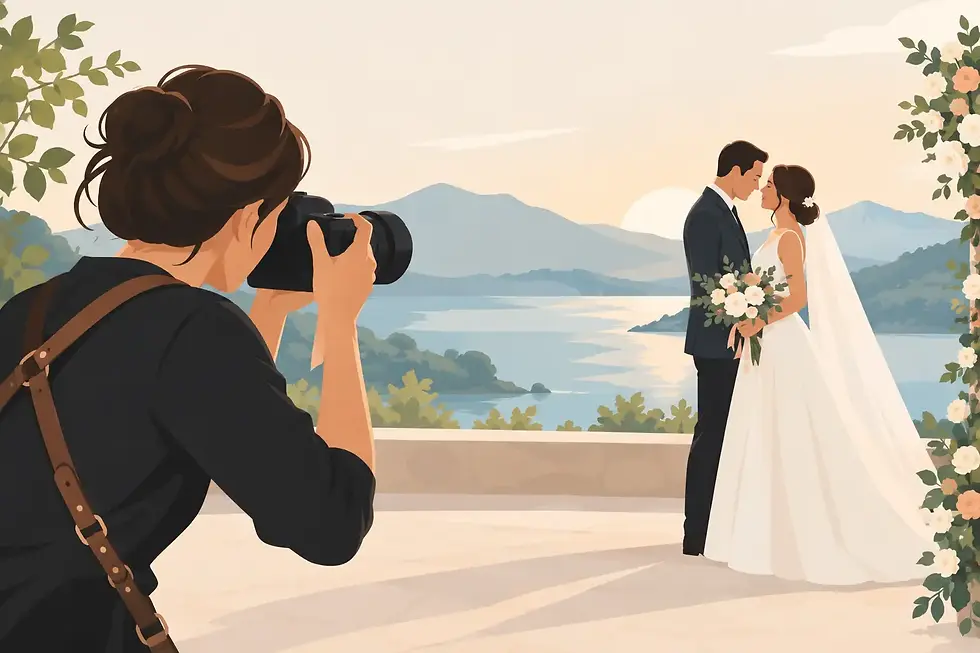
An outdoor ceremony near sunset offers warmth that cannot be duplicated by a fixture. The light is lower, softer, and more flattering, especially for close portraits and wide images that show the landscape around you.
Timing matters. In Florida, bright midday sun can be intense, particularly in open gardens, beaches, and waterfront venues. If an earlier ceremony is necessary, shade becomes your best friend. A ceremony space beneath mature trees, a covered terrace, or a thoughtfully positioned structure can keep guests more comfortable while creating more even light for photographs.
For sunset ceremonies, consider where the sun will sit behind the altar. Backlighting can look romantic and luminous, but it works best when the photographer has room to expose for both the couple and the glowing sky. A simple site visit or timeline conversation beforehand can prevent a beautiful view from becoming a squinting contest.
String lights for an inviting reception
String lights are a classic choice because they make large spaces feel intimate. Suspended above a courtyard, tent, barn, or patio, they create a gentle canopy that draws guests into the celebration. Their glow looks especially striking in wide reception photographs and during first dances.
The trade-off is brightness. String lights add atmosphere, but they may not provide enough illumination on their own for dining, speeches, or high-energy dancing. Pair them with practical venue lighting, subtle uplighting, or carefully placed accent lights so the room remains warm without becoming too dark to photograph naturally.
Candlelight for romance and depth
Few details create a sense of occasion like candlelight. Tapers along a head table, hurricanes clustered around floral arrangements, and votives scattered throughout dinner tables introduce movement and depth. They also reflect beautifully in glassware and add a soft glow to close-up detail photographs.
Real flames bring a special kind of warmth, though some venues restrict open candles. High-quality flameless candles are a practical alternative, especially where safety rules, wind, or young guests are a concern. The key is abundance. A few small candles can disappear in a large room, while layered candlelight feels intentional and cinematic.
Uplighting that supports your color palette
Uplighting can transform plain walls, columns, drapery, and architectural details. Soft amber or warm white uplighting is timeless, flattering, and easy to coordinate with nearly any palette. It gives a reception room dimension without demanding attention.
Color can be beautiful, but restraint matters. Rich blues, pinks, or greens may suit a bold party atmosphere, yet heavily saturated lighting can change the apparent color of skin, flowers, linens, and even a white dress in photos. If you love color, reserve stronger tones for the dance floor or later in the evening, then keep dinner and formal moments softly lit.
Lighting Your Reception Without Losing the Mood
Reception lighting has to work harder than ceremony lighting. Guests need to find their seats, see their meals, and move comfortably through the room. At the same time, a brightly lit banquet hall can feel more like a conference than a celebration.
Start with layers. Ambient lighting establishes the overall mood, whether it comes from chandeliers, bistro lights, or warm uplights. Accent lighting highlights meaningful areas such as the sweetheart table, cake display, or a custom seating chart. Then, when the dance floor opens, entertainment lighting can bring a fresh pulse to the room.
Ask your DJ, band, planner, venue, and photographer how those layers will work together. A moving light aimed directly at a couple during their first dance may feel exciting in person but create harsh shadows or distracting color across their faces. This does not mean skipping dynamic lighting. It means placing it with care, so the energy supports the moment instead of overpowering it.
Spotlight the moments guests will remember
Your first dance, parent dances, toasts, and cake cutting happen quickly. These are not moments to leave in a dark corner of the room. A warm, diffused spotlight or well-positioned video light can preserve the intimacy while making expressions visible.
The best setup depends on the venue. In a ballroom, a controlled spotlight may be ideal. At an outdoor reception, discreet lighting near the dance floor may be more useful. Chris Curtis Media approaches these decisions with the same priority couples bring to their day: protecting the real emotion, not turning it into a staged production.
Small Details That Make a Big Difference in Photos
Lighting is not only about fixtures. It is also about what the light has to compete with. Neon signs, glowing televisions, exit signs, and cool-blue screens can pull focus in a photograph. Some cannot be changed, but many can be managed through simple planning.
If your venue allows it, ask whether unused screens can be turned off during formal events. Keep the cake table away from cluttered service areas. Consider where vendors will set up before choosing a backdrop for speeches or dances. These small decisions help preserve a polished frame without asking the day to feel overly controlled.
Also think about the send-off. Sparklers, glow wands, LED foam sticks, and vintage getaway cars each create a different visual effect. Sparklers are dramatic but need a clear safety plan and a quick, coordinated exit. Glow wands keep the party moving and are easier for larger groups. A candlelit farewell can feel quieter and more intimate, especially after an elegant dinner reception.
How to Choose Lighting That Feels Like You
The strongest wedding lighting examples are never chosen simply because they are trending. They reflect the feeling a couple wants guests to carry home. A coastal celebration may call for sun-washed ceremony light, white lanterns, and a reception that glows with soft candlelight. A modern downtown wedding might lean into architectural uplighting, sculptural pendants, and a dramatic after-dark dance floor.
Begin with three questions: When will each key moment happen, what existing light does the venue provide, and how do you want the space to feel? Share the answers with your planner, lighting team, and photo and video professionals early. A cohesive plan gives everyone room to do their best work and gives you more freedom to be present.
Your wedding does not need every lighting trend to feel extraordinary. It needs light that honors the setting, flatters the people you love, and lets the emotion of the day remain visible long after the last song ends.


Comments